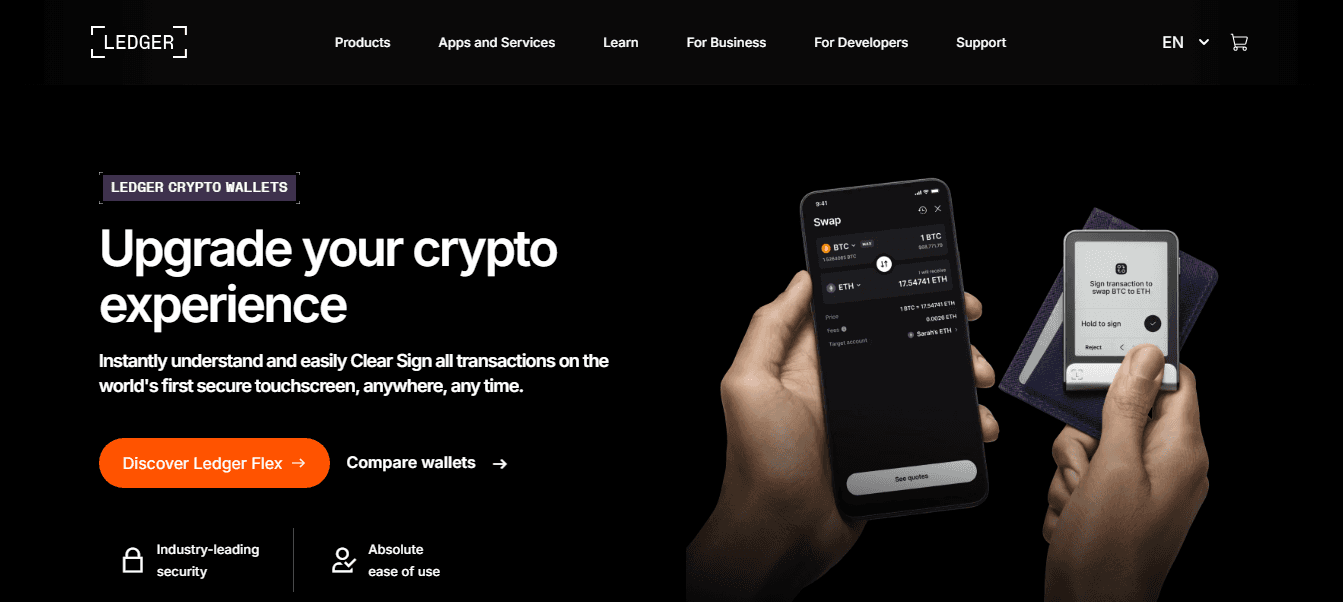
Ledger Login: A Secure and Reliable Method for Crypto Account Authentication
Ledger Login is a modern authentication process designed to provide secure access to cryptocurrency accounts and services using a Ledger hardware wallet. Unlike traditional login systems that rely on usernames and passwords, Ledger Login uses cryptographic verification tied to a physical device. This method significantly reduces security risks while giving users complete control over their digital identity.
As online threats continue to evolve, the need for stronger authentication methods has become more important than ever. Ledger Login addresses this challenge by combining hardware-level security with a simple and user-friendly experience.
What Is Ledger Login?
Ledger Login is an authentication mechanism that allows users to verify their identity using a Ledger hardware wallet. Instead of entering credentials that can be guessed, stolen, or leaked, users confirm login requests directly on their Ledger device.
This approach ensures that access is granted only when the authorized user physically approves the request. Private keys remain securely stored inside the hardware wallet and are never exposed to the computer or mobile device used during the login process.
How Ledger Login Works
Ledger Login operates through cryptographic message signing. When a user initiates a login request, a unique message is generated and sent to the Ledger device. The device then signs this message internally using a private key stored in its secure element.
The user must review the request details on the device screen and manually confirm the action. Once approved, the cryptographic signature verifies ownership without revealing any sensitive information. This process provides strong authentication while maintaining privacy.
Key Components of Ledger Login
Ledger Login is built on several essential components that work together to ensure security and reliability.
Hardware-Based Authentication
The Ledger device acts as the authentication factor, meaning login access depends on physical possession of the wallet.
Secure Key Storage
Private keys are stored inside a secure chip designed to resist tampering and unauthorized extraction.
User-Controlled Confirmation
Every login attempt requires manual approval, ensuring that no access occurs without the user’s awareness.
Why Ledger Login Is More Secure Than Passwords
Password-based login systems are vulnerable to many types of attacks, including phishing, credential reuse, and data breaches. Ledger Login removes these vulnerabilities by eliminating passwords entirely.
Because authentication relies on cryptographic proof and physical confirmation, attackers cannot gain access by stealing login details. Even if a device is infected with malware, Ledger Login remains secure because approvals must occur on the hardware wallet.
Ledger Login and User Control
Ledger Login places full control in the hands of the user. No centralized authority can approve or deny access without the user’s involvement. This level of control reflects the core principles of cryptocurrency ownership, where individuals manage their own security.
Users decide when to approve login requests, making Ledger Login a transparent and trust-minimized authentication method.
Using Ledger Login in Real-World Scenarios
In practical use, Ledger Login is designed to be fast and efficient. The typical process includes:
Initiating a login request
Connecting the Ledger device
Reviewing authentication details
Confirming the request on the device
This streamlined workflow balances strong security with everyday usability.
Ledger Login for Beginners
For new cryptocurrency users, Ledger Login offers a safer alternative to traditional authentication methods. There is no need to remember complex passwords or worry about credential theft.
Clear instructions displayed on the Ledger device guide users through each step, helping them understand what they are approving. This reduces confusion and builds confidence when managing digital accounts.
Ledger Login for Experienced Users
Experienced users value Ledger Login for its efficiency and robustness. The process is quick, yet highly secure, making it suitable for frequent authentication without compromising safety.
Because each login request is unique and must be approved manually, advanced users benefit from strong protection against automated attacks and unauthorized access.
Security Best Practices for Ledger Login
To maintain maximum protection when using Ledger Login, users should follow these best practices:
Keep the Ledger device physically secure
Never approve login requests you do not recognize
Carefully review details shown on the device screen
Store recovery phrases offline in a safe location
Use trusted devices and secure networks
Following these practices helps prevent unauthorized access and ensures long-term security.
Privacy Advantages of Ledger Login
Ledger Login enhances privacy by minimizing shared data. Since no usernames or passwords are transmitted, there is less information for attackers to target.
Authentication is based on cryptographic proof rather than personal data, supporting a privacy-focused approach to digital access.
Common Misconceptions About Ledger Login
Some users believe that Ledger Login automatically approves access once the device is connected. In reality, manual confirmation is always required.
Another misconception is that Ledger Login stores personal information. The authentication process does not involve storing or sharing private keys or user data.
Ledger Login and Long-Term Security
As cyber threats become more advanced, password-based systems are increasingly vulnerable. Ledger Login offers a future-ready solution by relying on hardware security and cryptographic verification.
For long-term crypto holders, this approach reduces reliance on centralized systems and enhances protection against evolving attack methods.
The Role of Ledger Login in the Crypto Ecosystem
Ledger Login supports a safer crypto ecosystem by encouraging strong authentication practices. It helps users move away from outdated security models and adopt hardware-based verification.
This shift contributes to greater trust, resilience, and user empowerment across the digital asset space.
Conclusion
Ledger Login is a secure and reliable authentication method designed for modern cryptocurrency users. By replacing traditional passwords with hardware-based cryptographic verification, it significantly reduces the risk of unauthorized access.
Whether you are new to crypto or an experienced participant, Ledger Login provides a strong foundation for safe and confident account access. As digital assets continue to grow in importance, secure login systems like Ledger Login will remain essential for protecting identities and maintaining control in the crypto world.